- By Adler Talent Solution
- Jun 6, 2026
What Is Headhunting & How Does It Work? A Complete Guide for Modern Recruitment in India
Headhunting is a proactive recruitment strategy used to identify and attract highly skilled professi...

Employee well-being has become one of the most important priorities for organizations. It is no longer limited to basic benefits or policies. Today, businesses understand that mental health and overall well-being directly impact productivity, employee retention, and long-term growth.
With increasing workplace stress, changing work environments, and evolving employee expectations, mental health programs are now a critical part of modern HR strategies. Understanding the data behind these programs helps organizations make better decisions and build stronger, more resilient teams.
Employee well-being refers to the overall mental, emotional, and physical health of individuals in the workplace. In, this concept has expanded to include a more holistic approach.
Organizations now focus on:
This broader approach ensures employees feel supported not just professionally, but personally as well.
Mental health programs have become essential due to the growing challenges employees face in modern workplaces.
Key reasons include:
Ignoring these factors can lead to decreased productivity, higher absenteeism, and increased employee turnover.
Recent workplace trends and data highlight the growing importance of mental health programs.
Key insights include:
These insights clearly show that employee well-being is closely linked to overall business performance.
Effective workplace mental health programs include several important elements.
These programs provide confidential counseling and support services to help employees deal with personal and professional challenges.
Flexible working arrangements allow employees to manage their time better, reducing stress and improving work-life balance.
Workshops, training sessions, and open discussions help reduce stigma and encourage employees to seek support when needed.
Managers are trained to identify signs of stress and support their teams effectively, creating a more understanding work environment.
These benefits contribute to overall employee well-being.
HR plays an important role in building and maintaining well-being initiatives within organizations.
Key responsibilities include:
HR helps integrate well-being into everyday workplace practices.
In India, workplace dynamics are changing rapidly. Factors such as competitive industries, long working hours, and evolving employee expectations are shaping the need for better well-being strategies.
Key aspects include:
These factors make employee well-being an important focus for organizations across industries.
These benefits contribute to a more stable and effective workplace.
Despite the advantages, organizations may face challenges when implementing mental health programs.
Common challenges include:
Addressing these challenges requires consistent effort and a long-term approach.
Employee well-being will continue to evolve with workplace changes.
Emerging trends include:
Organizations that adapt to these trends are likely to build stronger and more resilient teams.
Organizations can take practical steps to enhance employee well-being.
Key actions include:
These steps help create a supportive and productive work environment.
1. What is employee well-being in the workplace?
Employee well-being refers to the overall mental, emotional, and physical health of employees.
2. Why are mental health programs important?
They help improve productivity, reduce stress, and support employee engagement.
3. How can organizations support mental health?
Through counseling services, flexible work policies, and awareness initiatives.
4. What are the benefits of well-being programs?
They improve retention, productivity, and overall workplace satisfaction.
5. How is employee well-being changing in India?
It is evolving with digital tools, flexible work models, and increased awareness.
Employee well-being in India plays a crucial role in shaping organizational success. Mental health programs are no longer optional but essential for maintaining a productive and engaged workforce. Organizations that focus on well-being create a healthier work environment, improve performance, and build long-term stability in an increasingly competitive business landscape.
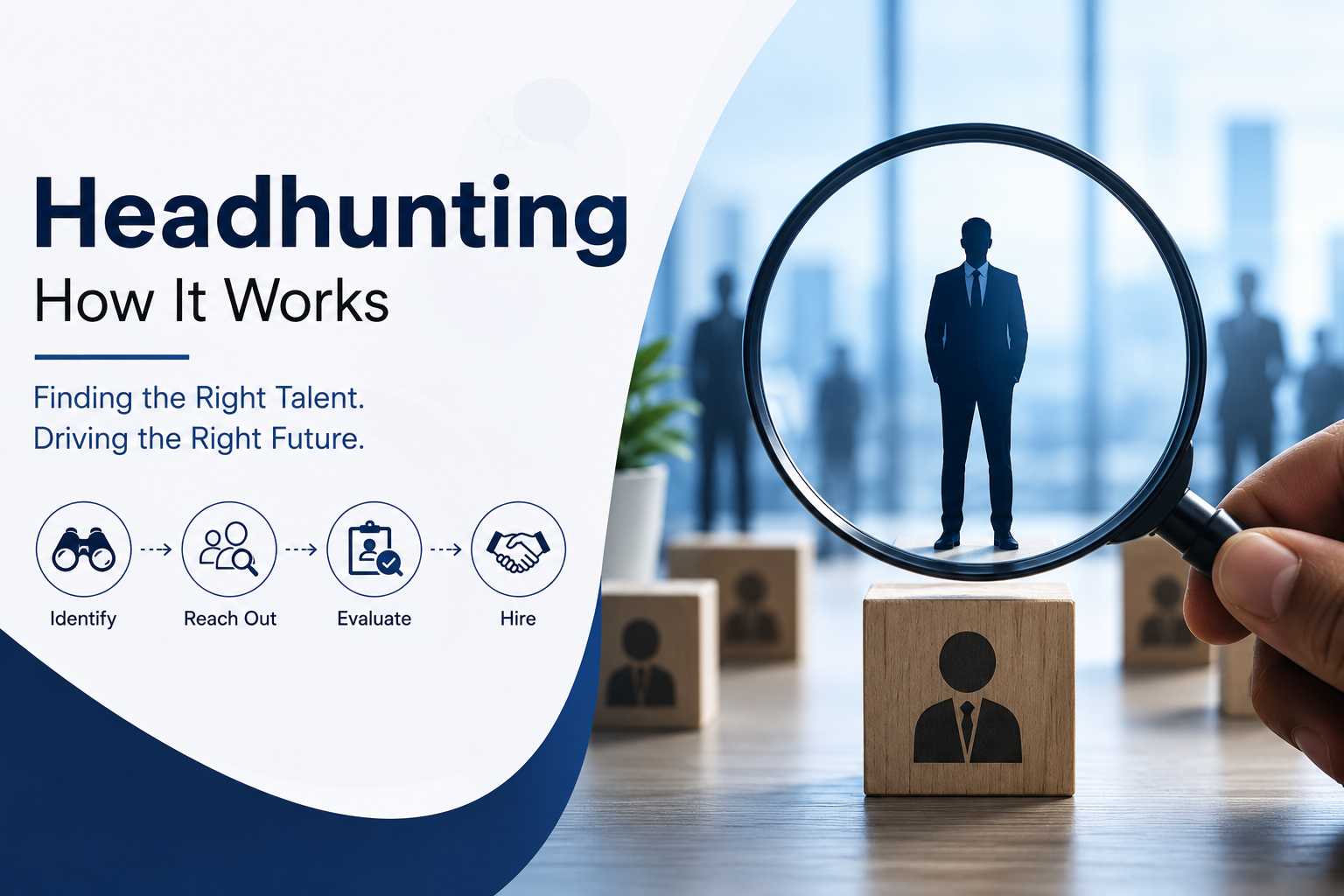
Headhunting is a proactive recruitment strategy used to identify and attract highly skilled professi...
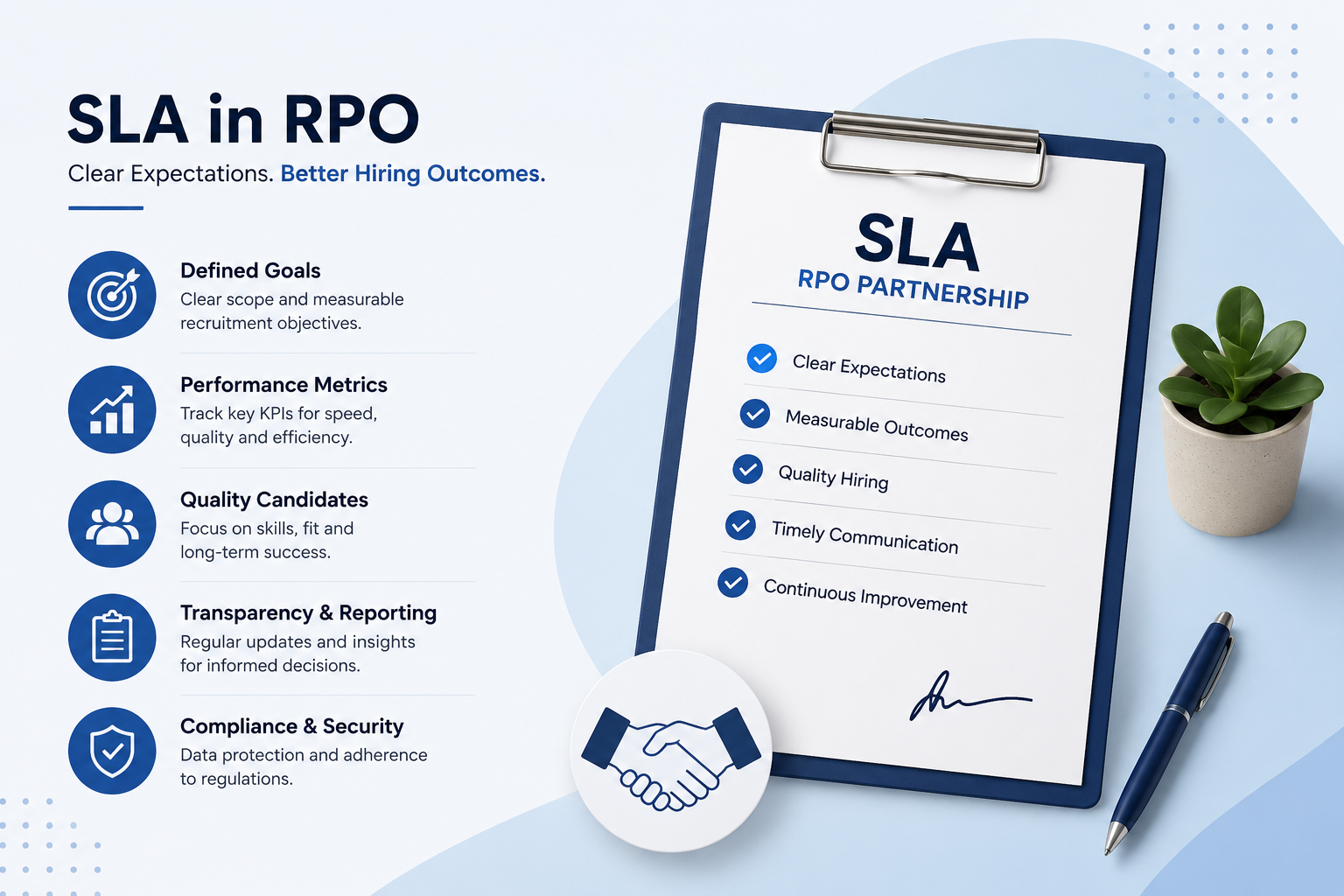
A well-structured SLA in Recruitment Process Outsourcing (RPO) helps organizations improve hiring ef...

© 2025 Adler Talent Solutions ™. All Rights Reserved.
Design & Developed By: Traj Infotech Pvt. Ltd.
 Chat with us